A bar is a room built for night. The walls should feel like the lights just went down, deep, glinting, and a little theatrical, so a drink at the counter feels like an occasion.
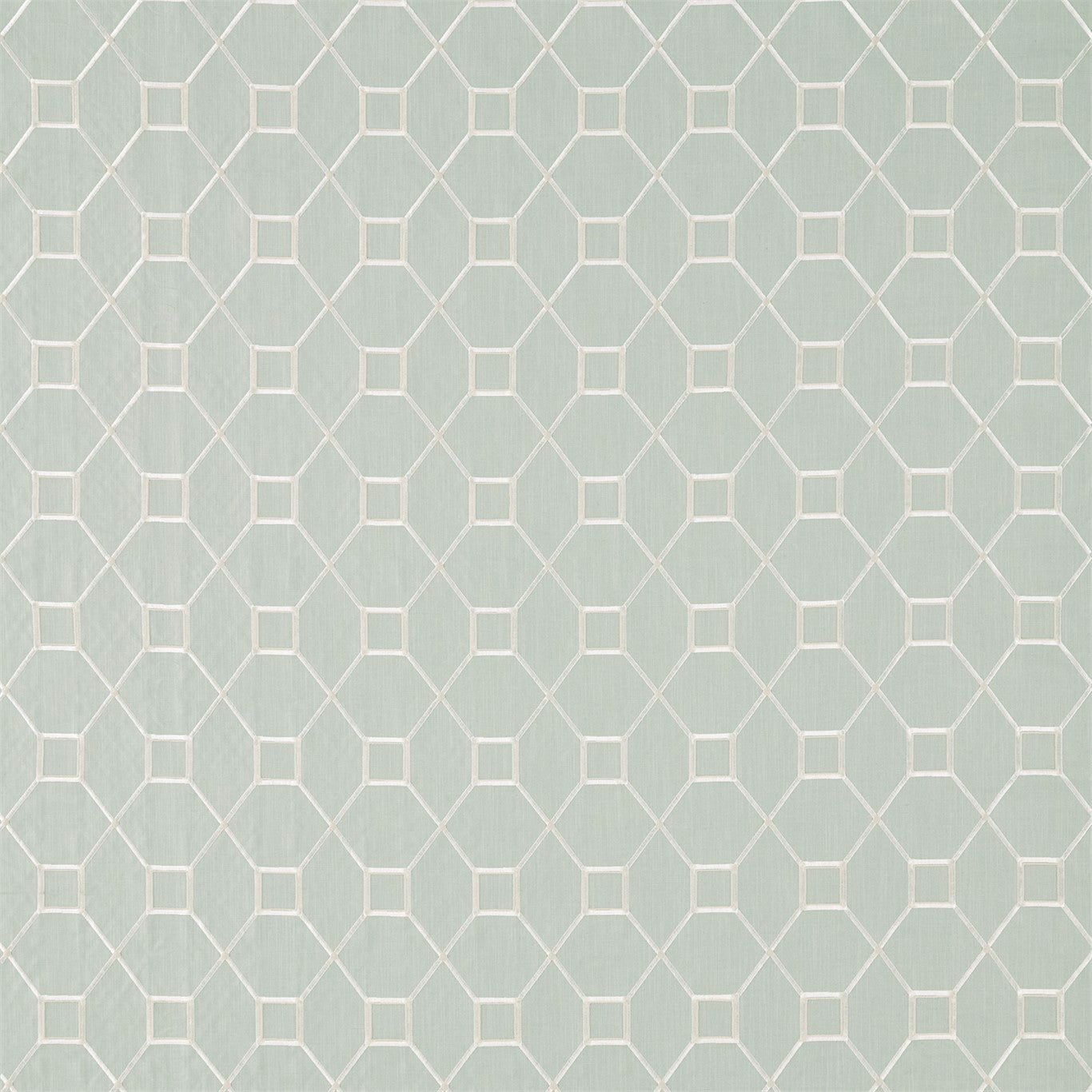
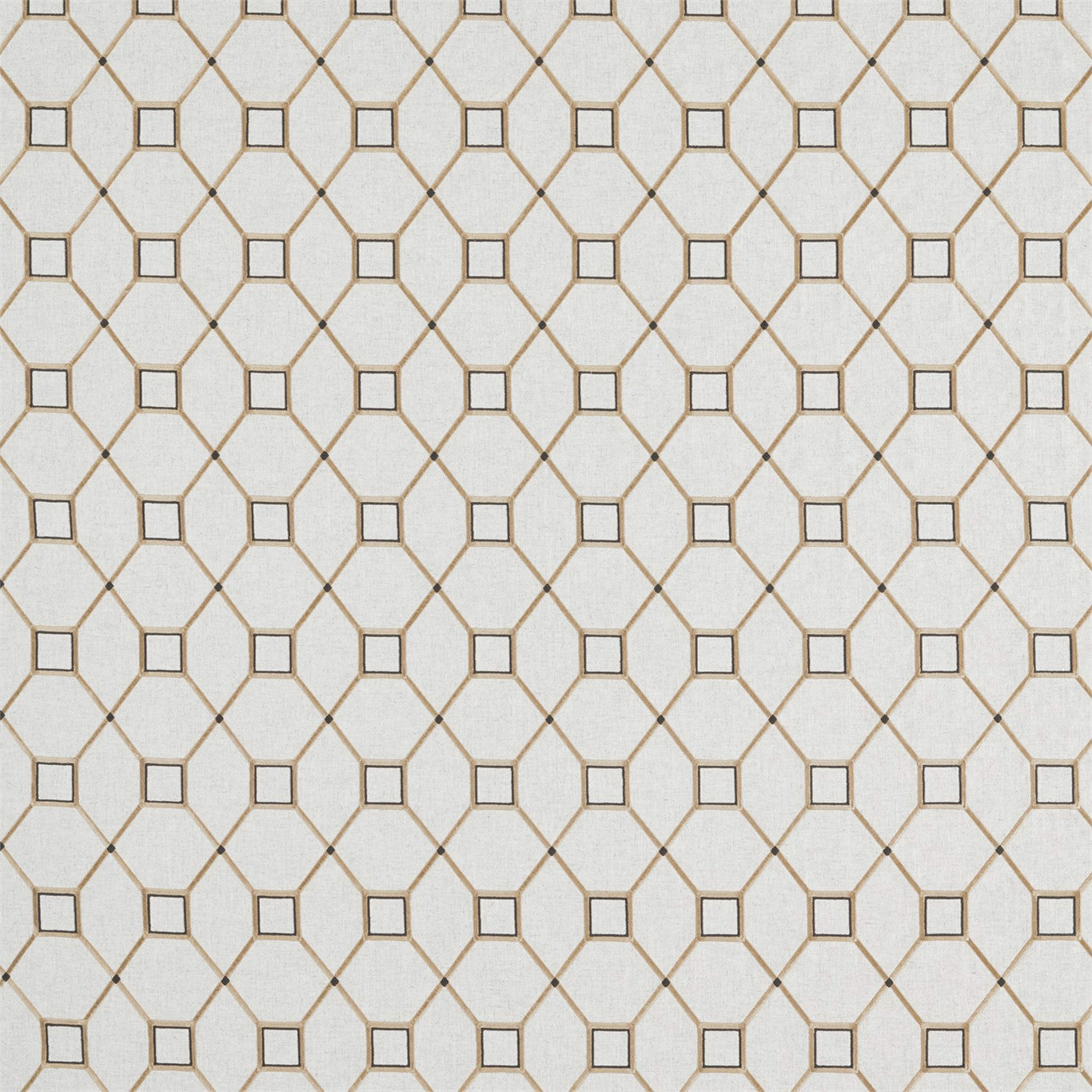
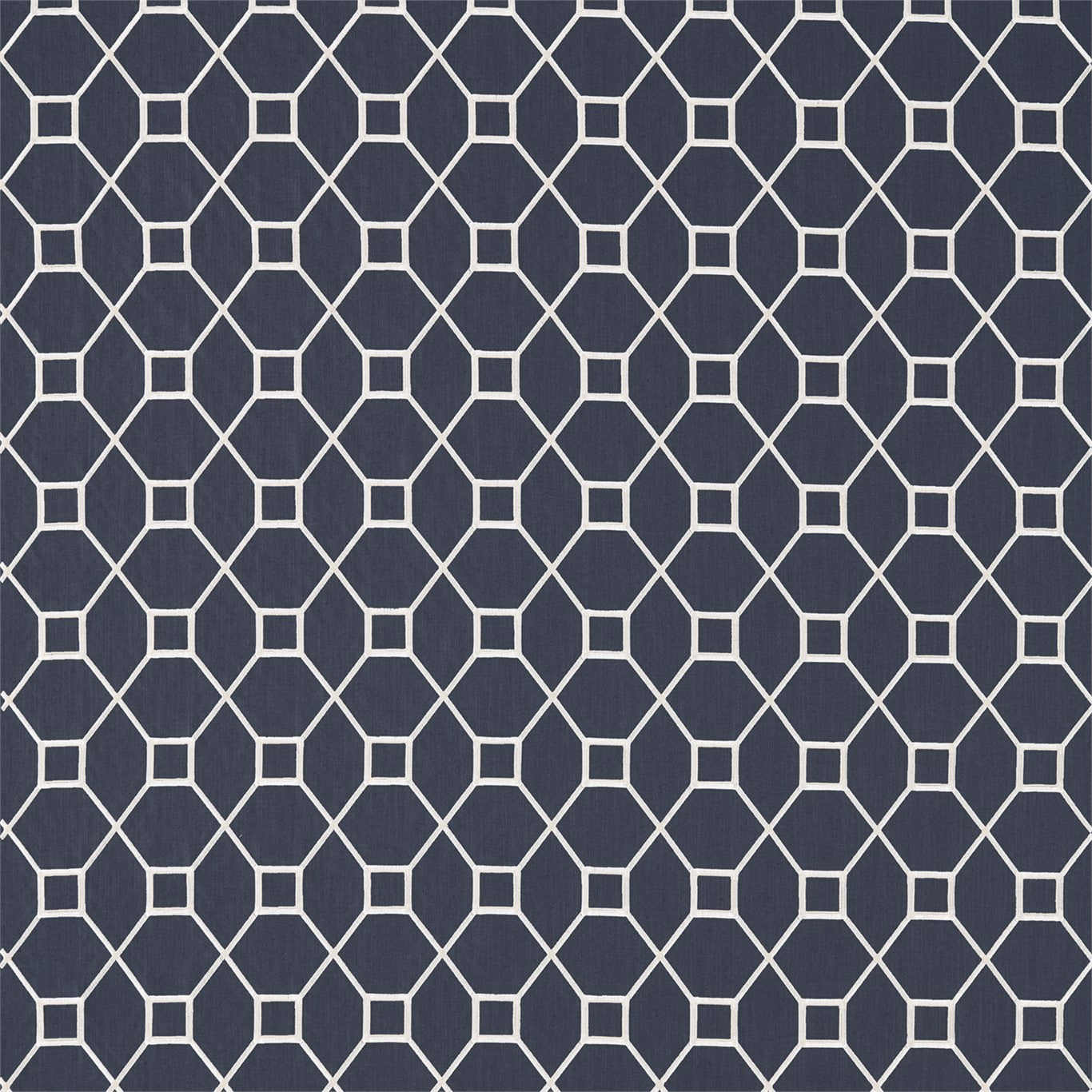
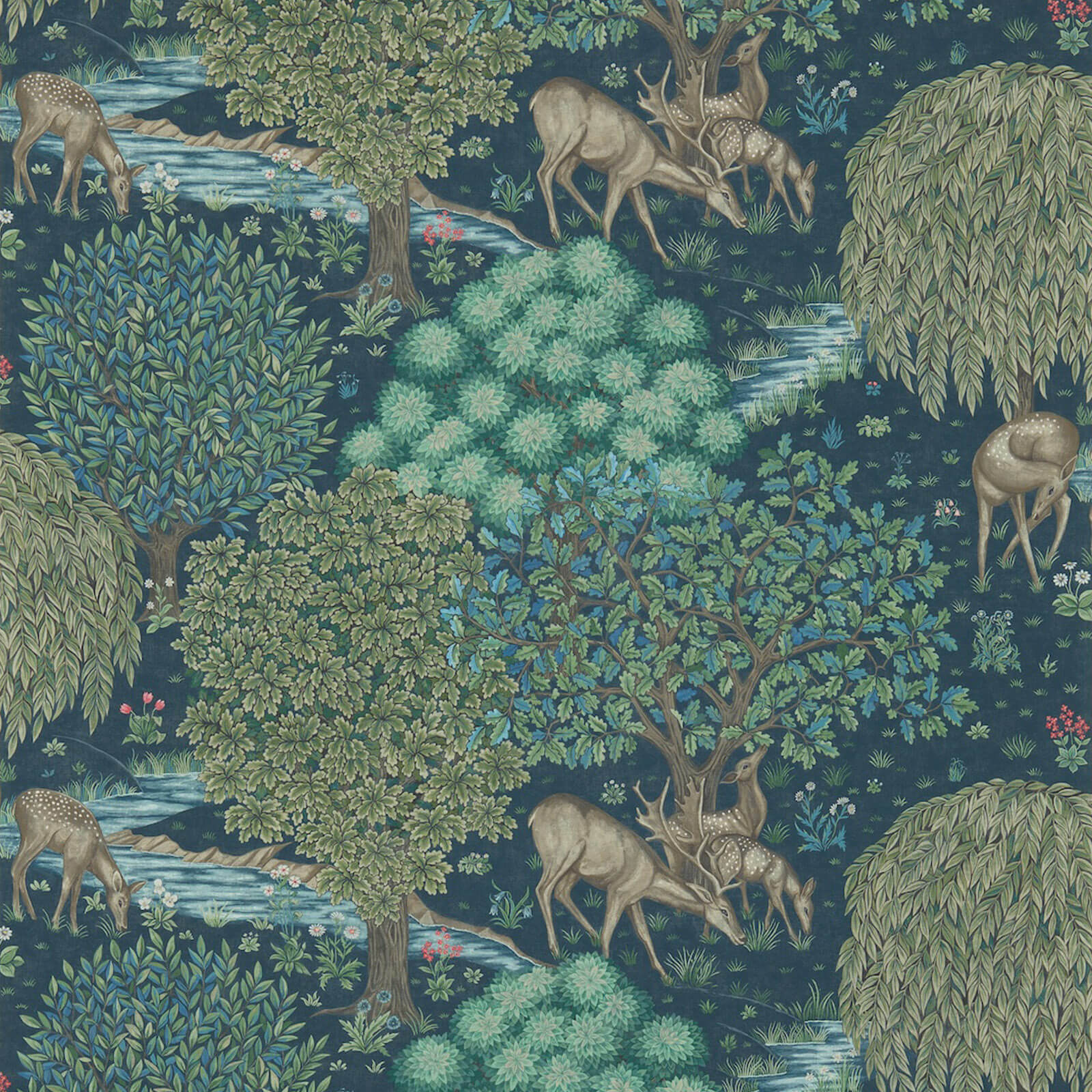


Go dark, then let it shine
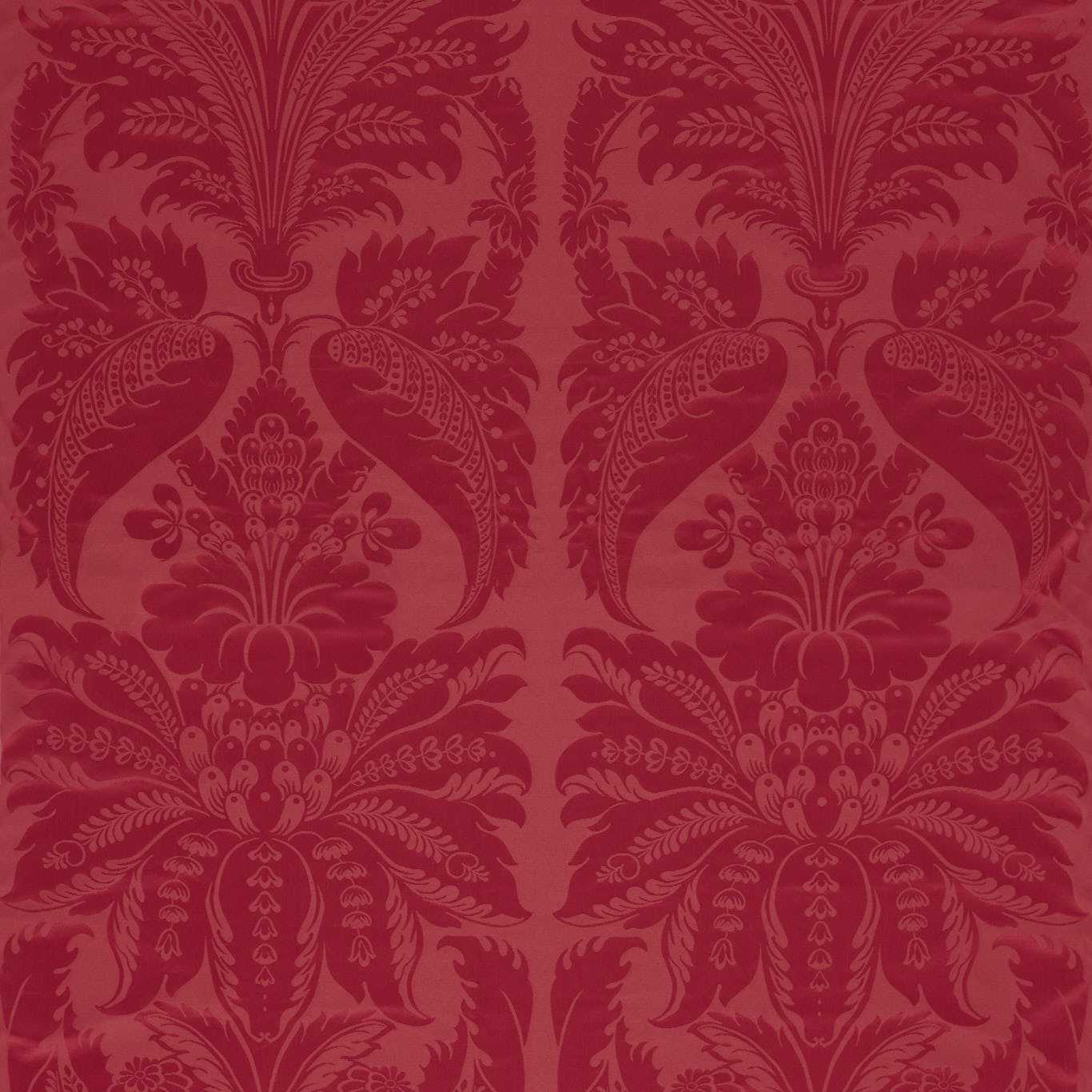
The single best move for a bar or lounge wall is to embrace darkness. Ink-black, oxblood, forest, navy, and aubergine grounds swallow harsh light and make a small space feel intimate and grown-up. Where a pale wall feels like a kitchen at midnight, a dark one feels like a private club.
Darkness alone can go flat, so pair it with something that catches light: a metallic pattern, a bit of sheen, or a high-gloss finish. The interplay of a deep ground and a glint of gold, brass, or silver is what gives a bar wall its after-hours charge, especially under low, warm lighting.
Patterns with attitude
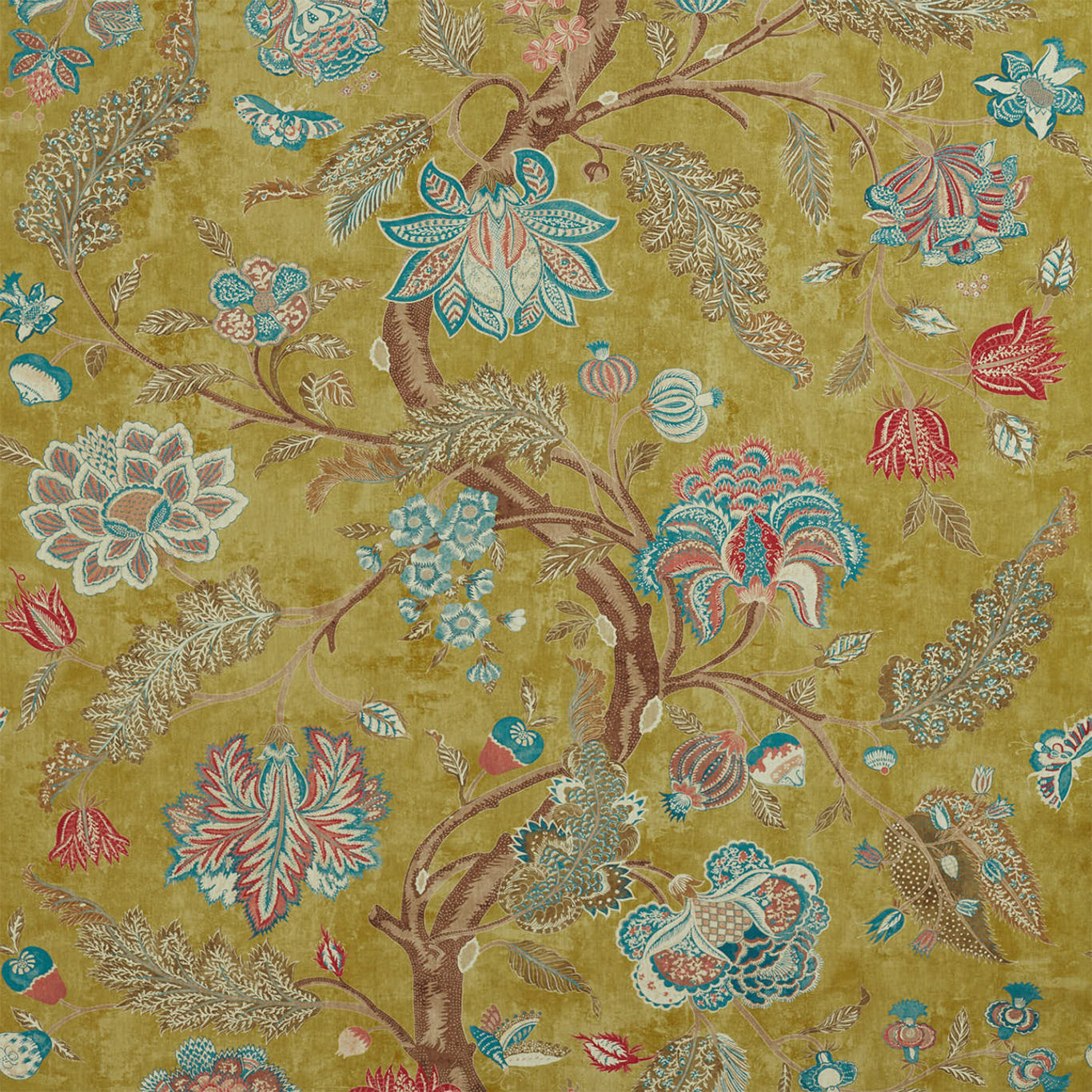
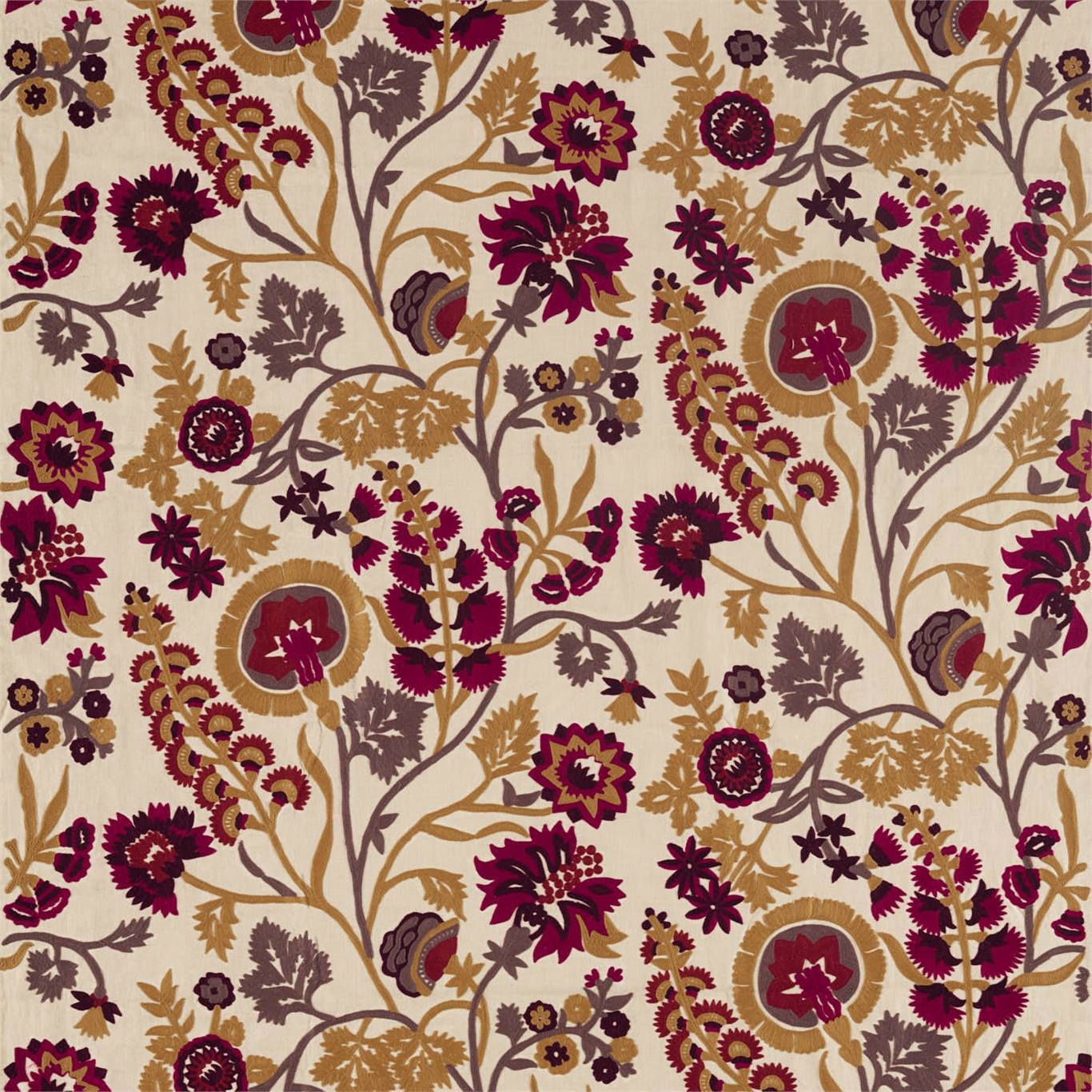
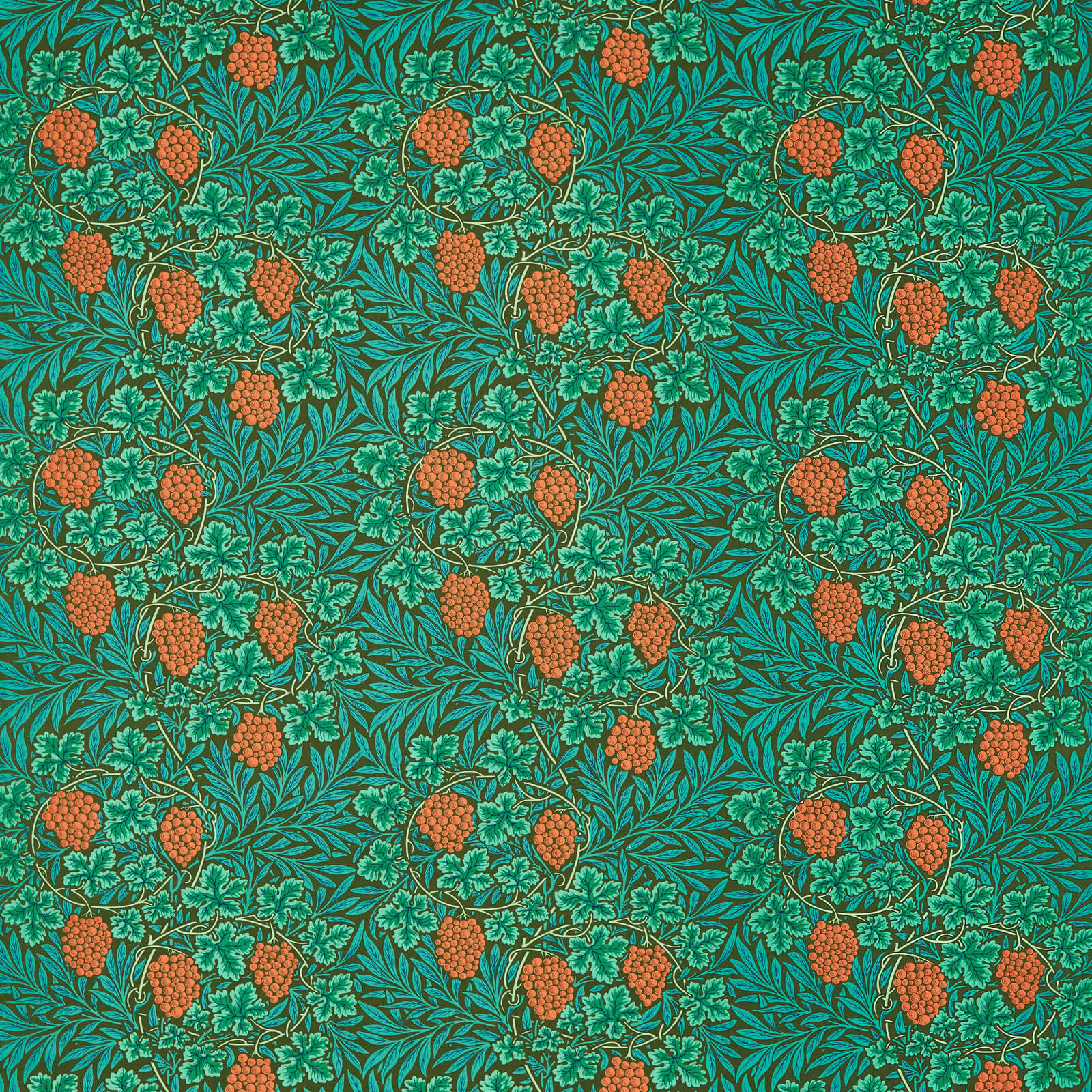
Bars are one of the few rooms that reward maximalism. Dramatic damasks, oversized botanicals, dark tropical scenes, art deco geometrics, and moody florals all belong here because the space is meant to feel like an escape from the everyday. This is the room to choose the pattern you would never dare put in a living room.
Scale is your friend. A large, confident repeat reads as luxurious and immersive, while a timid small print gets lost behind bottles and glassware. Pick one bold pattern, commit to it fully, and let the bar's fixtures and glass play against it rather than competing for attention.
Lighting and practical wear
A bar wall should be designed for lamplight, not daylight. Warm, low, directional lighting, sconces, picture lights, a glow behind the bottles, makes deep colors rich and metallics come alive. Test any sample under exactly that kind of light before deciding, because the same covering can look drab under a bright overhead and stunning under a warm sconce.
Do not forget the room gets used hard. Splashes, condensation, and fingerprints come with the territory, so choose a wipeable finish for the area right around the counter and glassware. A washable vinyl or vinyl-coated pattern near the working zone keeps the drama looking sharp instead of grubby.
Quick checklist before you order
- Commit to darkDeep grounds like black, oxblood, and aubergine make a bar feel intimate and after-hours.
- Add a glintPair the dark ground with metallic ink or a gloss finish that catches low, warm light.
- Scale it upChoose one large, bold pattern so it reads behind bottles and glassware instead of getting lost.
- Light it rightTest samples under warm sconce or picture light, the light the room will actually use.
- Wipe zoneUse a washable vinyl finish near the counter where splashes and fingerprints land.
Frequently asked
What color wallpaper is best for a home bar?
Deep, dark grounds work best, black, oxblood, forest, navy, or aubergine, because they feel intimate and make a small space read like a private club.
Should bar wallpaper have a shine?
A metallic pattern or gloss finish helps a lot; it catches warm low lighting and gives the wall an after-hours glamour that a flat matte covering misses.
Is wallpaper practical right behind a wet bar?
Yes if you choose a washable vinyl or vinyl-coated pattern for that zone, so splashes, condensation, and fingerprints wipe away without harming the finish.
Read more
- Why Speakeasy Bars Reach for Dark, Textured WallpaperProhibition-era rooms were dim by necessity. The bars that borrow that look today use deep, low-sheen wallpaper because low light rewards texture over color.
- The Wall Behind the Bar Takes the Most Abuse in the RoomThe back-bar and splash zone see standing water, citrus acid, and daily scrubbing. That corner needs a moisture-rated, scrubbable wallcovering, not a decorative paper.
- Designing a Bar for Candlelight Changes Every Color DecisionBelow roughly 100 lux the eye shifts toward its rods, warm light skews every hue, and the metallics and grounds you chose in a bright showroom stop behaving.
- Flock, Lacquer, and Grasscloth: The Material Vocabulary of a Great Cocktail RoomThe finishes that define serious bars each carry real history and real trade-offs. Knowing what flock, hand-lacquer, and grasscloth actually are helps you spec the right one.
- Fire Codes Do Not Stop at the Dining Room DoorA bar is an assembly occupancy, and the wallcovering on its walls has to meet the same flame-spread class as any public room. Here is the standard that governs it.
- Creating Atmosphere: How Bold Wallcoverings Define Bar and Lounge Identity